Is this message not displayed correctly?
Please click here for the online version.
|
|
Dear Sir or Madam,
Berlin‑Brandenburg stands out as one of Europe’s most dynamic regions for cutting‑edge medicine, life sciences, and digital health solutions. When we talk about innovation in the healthcare industry, many of you probably think first of university medicine, biotechnology, pharmaceuticals, or AI‑supported care. But a fresh look reveals something that often goes unnoticed: medical technology in the capital region has evolved into a powerful innovation engine of its own – technologically bold, collaborative by design, and internationally recognized.
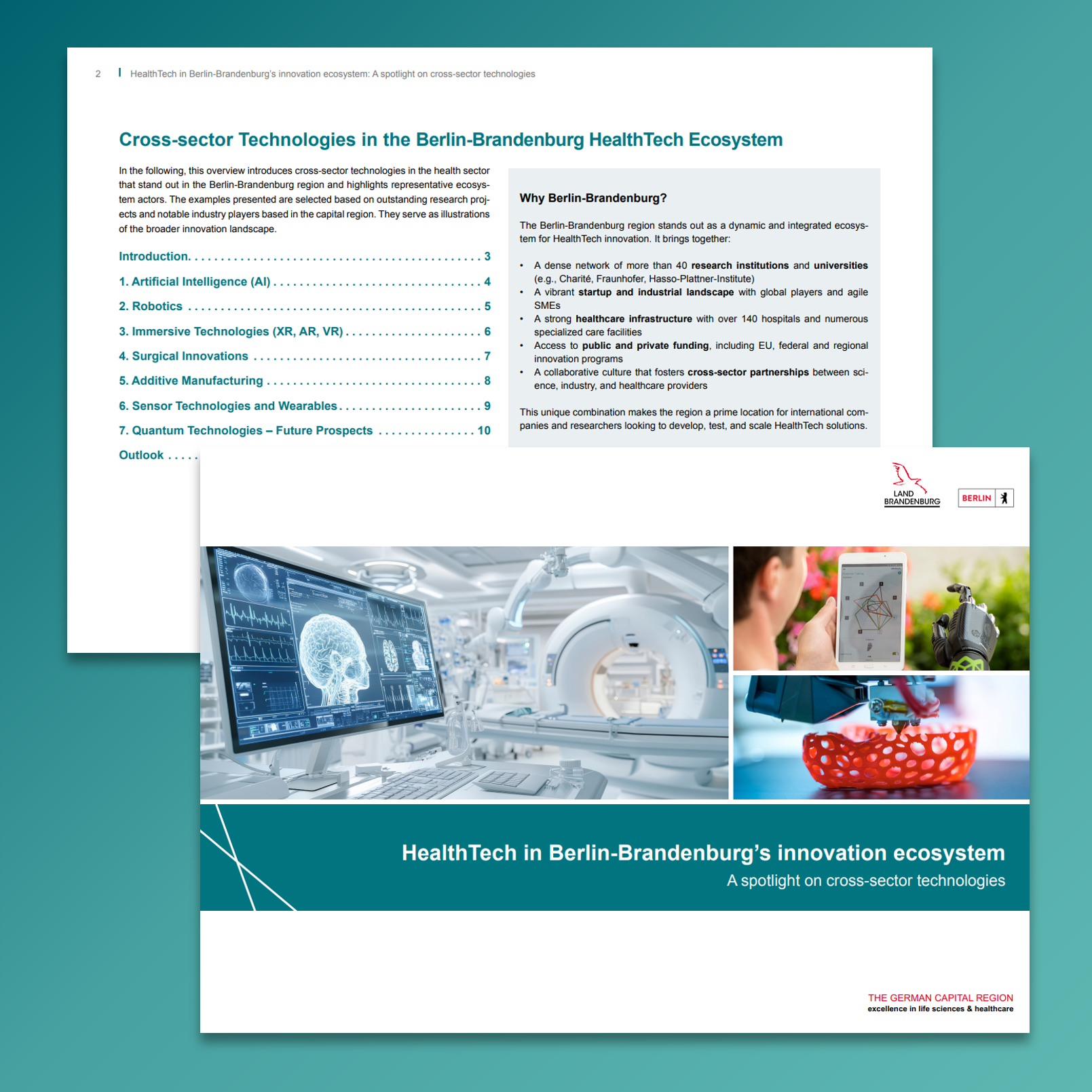
Our latest analysis of medical technology in the region illustrates just how multifaceted and research‑intensive this field has become. Berlin‑Brandenburg brings together more than 40 research institutions and universities – including Charité, several Fraunhofer Institutes, and the Hasso Plattner Institute – alongside an agile mix of startups, global companies, and specialized SMEs.
This density makes Berlin‑Brandenburg one of the few ecosystems in Europe where state‑of‑the‑art medical technologies can be developed in an immediate, iterative, and highly practical manner.
The report shows clearly: today’s medical technology is deep tech. It leverages advances in artificial intelligence, robotics, immersive technologies, quantum technologies, sensor systems, and additive manufacturing to lift diagnostics, therapy, and care to a new level.
Innovation here does not happen in silos. It thrives through close collaboration between software development, engineering, clinical research, and even the creative industries. This interdisciplinary character is precisely what makes the region so distinctive – and so successful.
Examples in the report range from AI‑supported radiology and robotics for nursing and hospital logistics to XR‑based training environments and patient‑specific 3D‑printed implants. At the same time, quantum technologies are opening an entirely new chapter: ultra‑sensitive diagnostics, secure data transmission, and novel analytical methods are on the verge of entering real‑world use.
The health capital region brings together exactly what innovation needs: scientific depth, entrepreneurial drive, creative thinking, engineering talent, and clinical expertise. And because of that mix, ideas don’t just remain ideas – they are tested, scaled, and showcased internationally.
We invite you to explore this evolving landscape of medical technology. Let yourself be inspired by an ecosystem that demonstrates how modern healthcare innovation truly emerges – networked, courageous, research‑driven, and boundlessly visionary.
Your Dr. Kai Bindseil Berlin Partner for Business and Technology |
|
HealthTech in Berlin-Brandenburg’s innovation ecosystem A spotlight on cross-sector technologies |
|
|
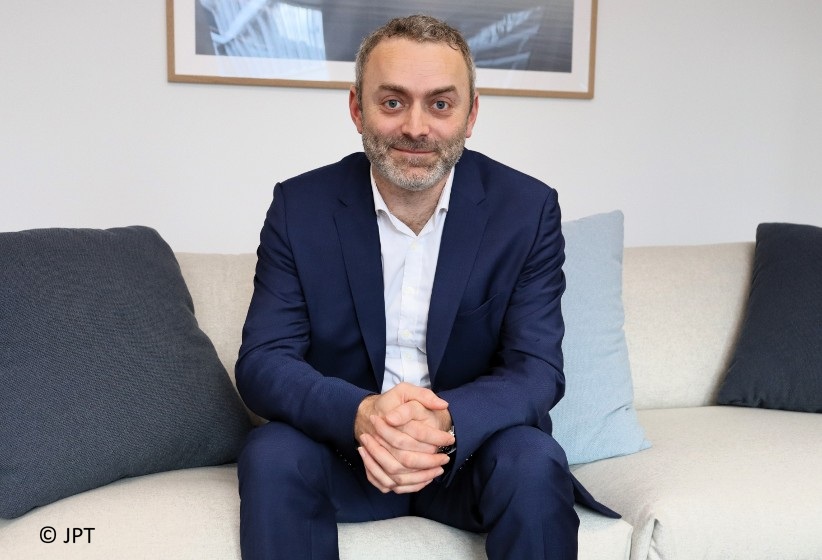
At home in the house of peptides For more than 20 years, JPT Peptide Technologies has been producing peptides for scientific purposes and the pharmaceutical industry in Berlin. In the year 2009, the biotech company was acquired by Mainz-based BioNTech SE and has since grown continuously. Recently, now boasting more than 150 employees, JPT moved into its own newly built premises within Adlershof Technology Park.
We talked to Aurélien Claeyssen, Managing Director, JPT Peptide Technologies GmbH about the construction project, Adlershof as a location and the company’s history. |
|
|
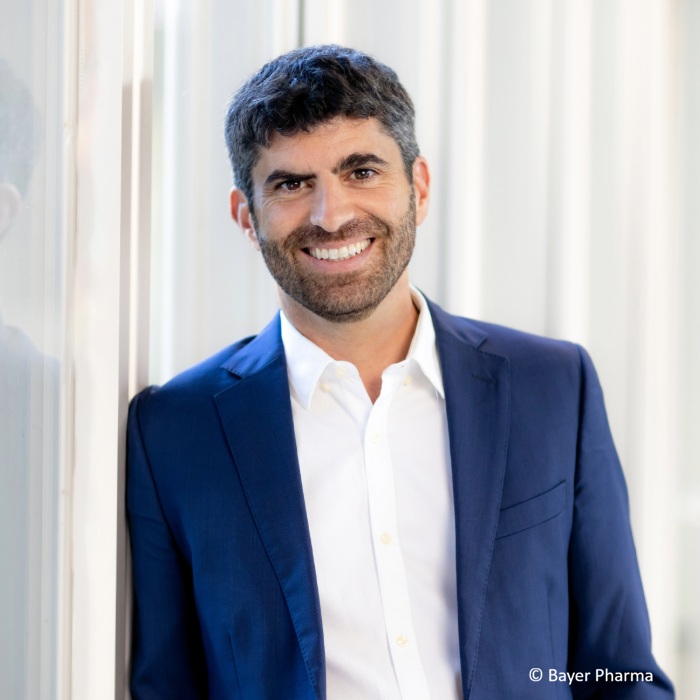
„Berlin's vibrant healthtech and AI ecosystem is a crucial component of Bayer's success” Artificial intelligence is transforming healthcare – from how new drugs are discovered to how clinical trials are conducted and diagnoses are made. At Bayer, these advances are directly tied to the company’s mission of “Health for all, hunger for none” – with AI accelerating target identification, optimizing compound screening and improving patient safety through more efficient and transparent processes.
Dr. Jordi Casanellas, Director of AI at Bayer Pharma in Berlin, is helping to drive these developments at the intersection of science, technology and ethics. In this interview, he explains how AI is revolutionizing drug discovery and clinical trials, the safeguards Bayer has put in place to ensure transparency and compliance – and why Berlin has become a strategic hub for Bayer’s global AI efforts. |
|
|
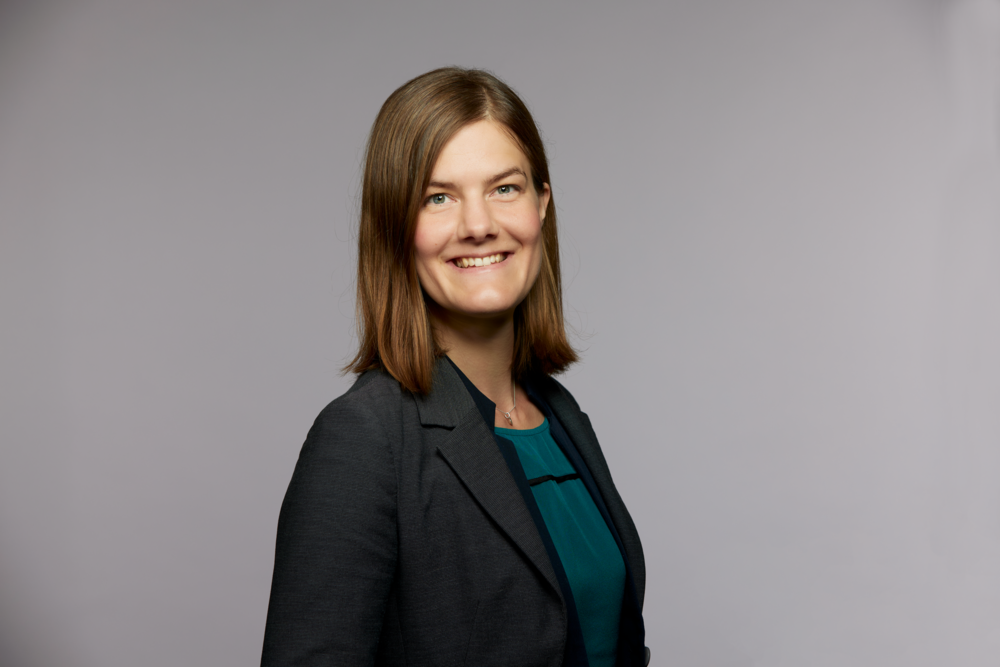
„AI should not remain a magical ‘black box’, but should enrich healthcare.” Dr. Sievert Weiss is a physician, co-founder, and medical director of AMBOSS. Since its founding, he and an interdisciplinary team have pursued the goal of making medical knowledge available where it is needed in everyday clinical practice.
AMBOSS combines learning, reference, and decision support on a platform that is now used by healthcare professionals in over 180 countries. The focus is on the reliable preparation of evidence-based content – understandable, verifiable, and immediately applicable.
The AI Mode for medical and nursing-specific research is part of this long-term development. In the independent NOHARM benchmark by Harvard and Stanford, the technical basis of the AI Mode (LiSA 1.0) was recently rated as the best system. |
|
|
The tip from our relocation experts: With around 40,000 new business registrations and about 500 startups founded each year, Berlin is Germany’s leading startup hub. To help founders navigate organizational and legal challenges, the city offers extensive public information and advisory services.
For updates on Berlin’s startup scene –including events, pitch competitions, incubator deadlines, and market insights – follow our Startup Berlin LinkedIn channel. You also should not miss exploring our HOW TO SESSION videos, where experts share guidance on legal essentials, hiring talent, and gotomarket strategies. More sessions will be released throughout the year.
If you’d like to learn more, feel free to reach out – we’re here to support you. Flavia Kruse
Berlin Partner for Business and Technology
MedTech | Healthcare | Digital Health 📧 |
|
|
|
|
19th Annual European Life Sciences CEO Forum (ELSF)
March 4-5, 2026 | Zurich, Switzerland
Read more |
|
Exploring New Models of Global Clinical Trial Collaboration
March 19, 2026 | Berlin, Germany
Meet Australian delegates with expertise in clinical trials
Read more |
|
BIO-Europe Spring 2026
March 23-25, 2026 | Lissabon, Portugal
Read more |
|
Berlin Campus Day 2026
March 26, 2026 | Berlin, Germany
Read more |
|
9th BioProScale Symposium 2026
April 20-22, 2026 | Berlin, Germany
Read more |
|
German Biotech Days (DBT)
April 21-22, 2026 | Leipzig, Germany
Read more |
|
DigitalHealthCapital@DMEA2026
April 21-23, 2026 | Berlin, Germany
- Joint Booth: hall 3.2 - booth D-103
- Evening reception
- Sessions
- 1:1 Business Meetings
Read more |
|
Swiss Biotech Day 2026
May 4-5, 2026 | Basel, Switzerland
Read more |
|
GeneNovate Investors' Day
June 9, 2026 | Berlin, Germany
Read more |
|
bio:cap International
Life Science and AI Investival
June 9-11, 2026 | Berlin, Germany
We are proud to be Host City Partner!
Read more |
|
HLTH Europe
June 15-18, 2026 | Amsterdam, Netherlands
Meet us at our joint Berlin Brandenburg booth
Read more |
|
BIO International Convention 2026
June 22-25, 2026 | San Diego, CA, USA
Meet the German Capital Region in the German Pavilion
Read more |
|
Smart Health Asia
July 1-2, 2026 | Singapore
If you would like to discuss your business plans for Berlin, let's meet at Smart Health Asia. Feel free to reach out to Flavia Kruse.
Read more |
|
For more events in the life science region Berlin-Brandenburg click here. |
|
Berlin's Recare gets €37M boost for AI healthcare platform
Founded in 2017, Recare has built an impressive presence in the German healthcare market. The company currently serves two-thirds of German hospitals and more than 26,000 nursing staff with its Software-as-a-Service platform that digitally simplifies discharge management and aftercare. The fresh capital will primarily fuel the rollout of a new AI agent and support international expansion.
Read more |
|
hellomed secures €6M to prevent medication errors
Berlin-based hellomed has secured €6 million in venture capital to scale its digital medication management solution across Germany. The funding round was led by Zurich-based EquityPitcher Ventures, with significant participation from IBB Ventures and zwei.7. The company's platform, hellomedOS, digitizes critical medication workflows between care facilities and specialized partner pharmacies.
Read more |
|
BIOTRONIK achieves first human implantations of LivIQ leadless pacemaker
BIOTRONIK, a global leader in cardiovascular medical technology, announced the successful first-in-human implantations of its LivIQ leadless pacemaker system. This was part of the BIO|CONCEPT.LivIQ study, a pre‑market clinical investigation designed to evaluate the system’s preliminary safety and performance. The initial procedures were performed in Australia by Dr. Paul Gould at Princess Alexandra Hospital in Brisbane as well as Dr. Stewart Healy and Dr. Emily Kotschet at Victorian Heart Hospital in Melbourne. The physicians highlighted the system’s superior handling during implantation.
Read more |
|
Pentixapharm announces peer-reviewed phase 2 data back use of PENTIXAFOR as a superior non-invasive PET-diagnostic for primary Aldosteronism
Read more |
|
ProBioGen and Zag Bio™ forge strategic CMC partnership to advance Fc-Fusion autoimmune therapy
Read more |
|
OMEICOS Therapeutics announces positive phase 2 study outcome demonstrating OMT-28’s potential in primary mitochondrial diseases
Read more |
|
Science and Technology News
|
|
|
How the brain organizes memories
How does the human brain manage to reliably separate memories and still link them together at the right moment? A fundamental answer to this question has now been provided by a new study published in the renowned academic journal Nature. Among those involved in the international research led by the University of Bonn was Johannes Niedieck, researcher at the Berlin Institute for the Foundations of Learning and Data (BIFOLD) at TU Berlin.
Read more |
|
Using lab-grown lung tumors as test subjects for tailored cancer therapies
Lung cancer varies widely from patient to patient, and that diversity makes it hard to find effective treatments. Researchers at the Berlin Institute of Health at Charité (BIH) have developed a method to evaluate multiple therapeutic approaches on patient-derived “tumoroids” – miniature tumors grown from tissue removed during surgery at Charité. By testing drug responses across these tumoroids, the team showed that therapeutic success depends on a complex interplay of tumor characteristics rather than a single factor. Their results suggest that tumoroid-based testing could help physicians tailor treatments to individual patients and improve clinical decision-making.
Read more |
|
Vaccination as from the 22nd week of pregnancy can save lives worldwide
In 2024, Germany recorded the highest number of whooping cough cases since reporting became mandatory in the year 2013. With almost 122 cases per 100,000 inhabitants, infants under one year of age were the most affected age bracket, while experts are expecting similarly high case numbers for 2025. Protection against this highly contagious disease in the first months of life is provided by vaccinating expectant mothers against the pertussis pathogen - the bacterium Bordetella pertussis. As researchers led by Charité – Universitätsmedizin Berlin and Radboud University have now shown for the first time, maternal antibodies are not only found in the blood, but also in the nasal mucosa of newborns.
Read more |
|
Microbially produced secondary bile acids accelerate colorectal cancer development
Read more |
|
A double-pronged attack on malignant B cells
Read more |
|
Charité establishes Institute for Artificial Intelligence in Medicine
Read more |
|
From ideas to care: New ARC Center at Charité accelerates innovation
Read more |
|
For more news from the cluster healthcare industries click here. |
|
EDITOR | IMPRINT
This newsletter is operated by the cluster healthcare industries
Berlin-Brandenburg HealthCapital.
Berlin Partner for Business and Technology
Fasanenstrasse 85 | 10623 Berlin | Germany
Phone: +49 30 46302-463
Email: info (at) healthcapital.de
Commercial Registry Entry
Entered in the commercial registry of the Charlottenburg District Court,
Registration number: HRB 13072 B
VAT ID: DE 136629780
CEO: Dr. Stefan Franzke
Chairman of the Supervisory Board: Carsten Jung
Editorial: In cooperation with dpa-Custom Content.
Responsible body in terms of German Press Law
Carolin Meltendorf, Press Spokeswoman Berlin Partner for Business and Technology
© 2026 Berlin Partner for Business and Technology |
|
The newsletter of the Cluster healthcare industries Berlin-Brandenburg is a project of Berlin Partner for Business and Technology.

|
|
|
You have been forwarded this newsletter and would like to subscribe?
Please click here.You want to unsubscribe from the newsletter (to: unknown@noemail.com)? Please click here.
|
|
|
|
|